Buying a lot in Arcadia or San Marino: what to look at before you sign
The lot decides more about your eventual home than the floor plan does, and most of what matters isn't visible on a listing photo.
September 3, 2026 · 3 min read
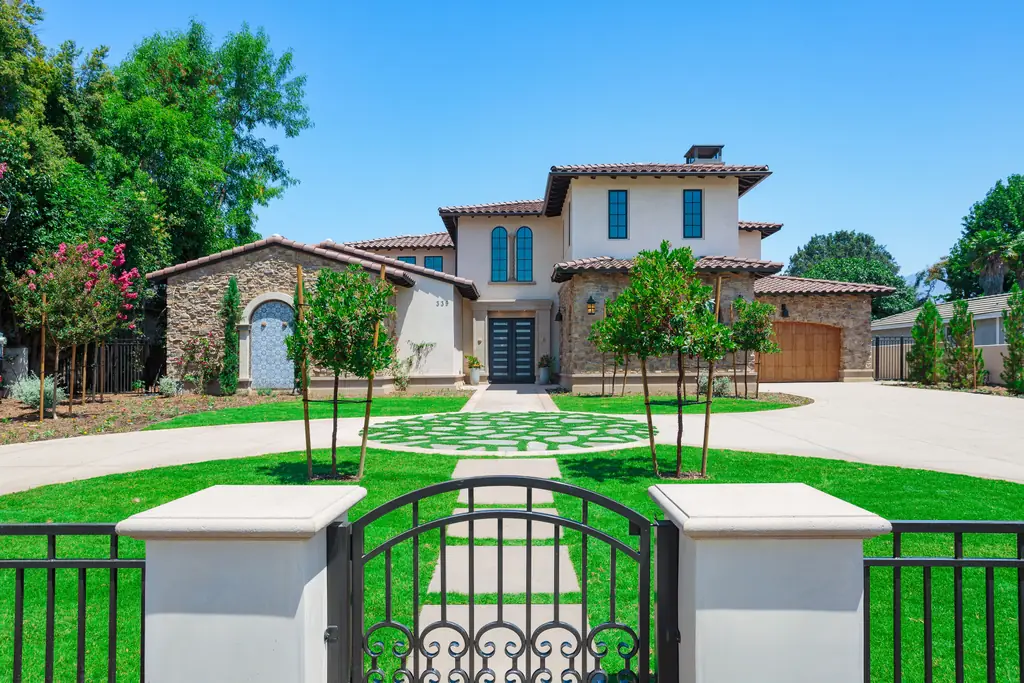
A lot in Arcadia or San Marino can look identical to a lot two streets over and carry a completely different price, and a completely different build cost once you actually try to put a house on it. The listing photo shows you the street. It doesn't show you the orientation, the slope, the roots under the lawn, or what your future neighbors already built next door. Here's what actually matters before you sign anything.
Orientation decides how the house will feel every single day
Which direction the lot faces determines where morning light lands, where afternoon heat builds up on the west-facing walls, and how much shade a future backyard will get in summer. In the San Gabriel Valley's climate, a west-facing rear yard can be brutal in August afternoons unless the design accounts for it with overhangs, shade trees or glazing choices. This is one of those things that costs nothing to check before you buy and can cost a great deal to fix after a house is built around the wrong orientation.
Slope and drainage are where surprises hide
A gently sloped lot can be an asset, giving you a walkout lower level or a naturally elevated view. A poorly graded lot can mean water pooling against a future foundation, retaining walls you didn't budget for, or soil that needs engineering before anything gets built. Walk the lot after it rains if you possibly can. Where does the water go. Does it pool near the property line, run toward a neighbor's yard, or drain cleanly toward the street. A civil engineer or geotechnical firm can answer this properly, but your own eyes on a wet day will tell you most of what you need to know before you spend money on a formal report.
Mature trees, especially oaks, deserve real respect
Many lots across this part of the valley carry mature oak trees, and oaks are treated with particular seriousness by cities in this region because they take decades to establish and can't be replaced on any reasonable timeline. If a lot has protected trees on it, don't assume you can simply work around them or remove them. Get a certified arborist's opinion and check with the city's planning department before you're under contract, not after. A beautiful mature oak can also be the best asset on the lot, framing a home in a way no landscaping budget could buy for decades. Either way, know what you're dealing with before you sign, not after.
Setbacks, and what the neighbors already built
Every lot has required setbacks from the property line, and those setbacks quietly define your buildable footprint long before an architect draws a line. Pull the zoning for the specific lot rather than assuming it matches the house next door, since lot lines, easements and prior variances can all differ block to block even on a street that looks uniform. It's also worth walking the immediate neighborhood and looking at what's already been built or is currently under construction nearby. A street where several substantial new homes have gone up recently tells you something about what the city is currently approving, and what your own future neighbors are likely to expect.
School boundaries move the number more than almost anything else
In Arcadia and San Marino specifically, school attendance boundaries can shift a lot's value meaningfully even between streets that are a short walk apart. This isn't unique to these two cities, but it's especially pronounced here because both districts carry strong reputations that buyers actively pay for. Before you fall for a lot, confirm which school it actually feeds into, not which school is simply closest. A five minute drive can be the difference between two very different price brackets on paper-identical lots.
Why this matters more here than in most places
Chateau's own portfolio sits almost entirely across Arcadia, San Marino and Bradbury, developments like a Prairie-style home in Santa Anita Village, a Modern Mediterranean estate off Bellwood Road in San Marino, and a guard-gated estate in Bradbury among them. Building across the same handful of cities repeatedly means learning each one's grading requirements, tree ordinances, setback patterns and school boundary lines in detail, rather than treating every lot as a blank slate. That local knowledge is exactly what turns a risky lot purchase into a straightforward one, and it's worth asking any builder you're considering how well they actually know the specific street you're looking at, not just the city it's in.
Chateau Group USA — 626.574.7725
Call 626.574.7725More articles
What actually drives the cost of a custom home
The line item nobody quotes you up front is the lot itself, and it often decides more than the floor plan does.
Single family, multi-family, mixed-use: why one builder does all three
The tools overlap more than people expect, but knowing where they stop overlapping is what actually protects a project.