Single family, multi-family, mixed-use: why one builder does all three
The tools overlap more than people expect, but knowing where they stop overlapping is what actually protects a project.
September 3, 2026 · 4 min read
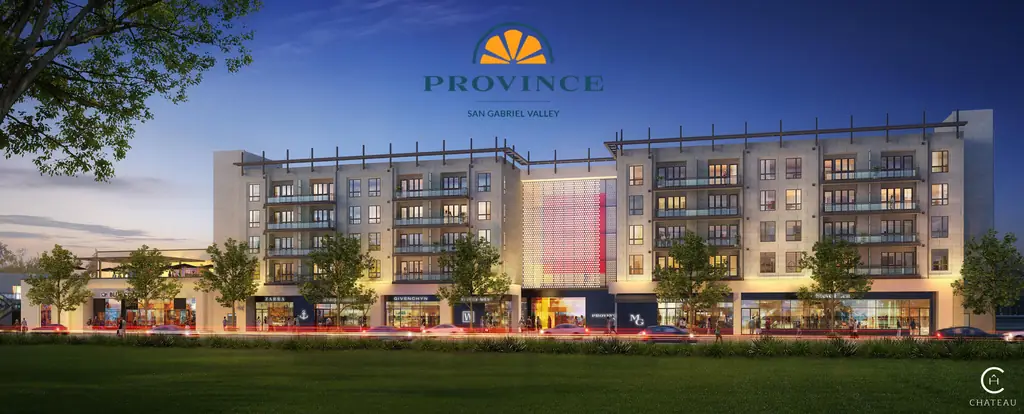
A custom home, an apartment building and a ground-floor retail block with housing above look like three different businesses. In practice, a lot of the underlying discipline is shared, and the parts that aren't shared are exactly the parts worth asking a builder about directly before you hire one.
What genuinely transfers between building types
Entitlement work, the process of getting a city to approve what you're allowed to build on a given parcel, follows the same basic logic whether the end result is one house or forty apartments. Site planning, grading, drainage, structural engineering and code compliance all draw on the same underlying disciplines regardless of scale. A team that has coordinated architects, structural engineers, city planning departments and subcontractors through a large multi-family project has, in a very real sense, practiced the exact coordination muscles needed to run a complicated single family estate, just at a different scale and with different stakeholders in the room.
Project management is the clearest overlap of all. Sequencing trades, managing a budget against a schedule, catching design conflicts before they become expensive change orders, these are the same skills whether the job site is a single lot or a full city block. A superintendent who has run a high-rise job has seen more edge cases in a shorter time than one who has only ever worked single family homes, and that experience carries over directly.
What genuinely does not transfer
The buyer relationship is completely different. A single family estate has one owner making every decision personally, often living in the home for decades. A multi-family building has dozens of future residents who will never meet the builder, and a mixed-use project adds commercial tenants with their own separate set of code requirements, from fire separation between retail and residential floors to entirely different plumbing and electrical loads. Financing structures differ sharply too. A custom home is typically financed by one family. An apartment building or mixed-use development usually involves institutional lenders, different entitlement timelines, and a different tolerance for risk at every stage. A builder who treats these as interchangeable is missing something important.
The construction schedule also behaves differently at scale. A single family estate can adjust sequencing around one family's preferences, delaying a finish selection here or accelerating a punch list there, without much ripple effect. A multi-family or mixed-use project has dozens of units, multiple trades working simultaneously across floors, and inspection milestones tied to occupancy certificates for entire buildings rather than one household. A delay in one unit's plumbing rough-in on a townhome terrace can hold up inspection for an entire floor, which is a different kind of pressure than anything a single family job site ever produces. Builders who only work single family estates rarely develop the scheduling discipline that kind of pressure forces, simply because they've never had to.
The honest version of this: it's people, not just process
The more convincing evidence isn't a company slogan, it's the résumés of the people actually running the jobs. Chateau's Director of Construction has spent more than thirty five years as a general contractor and project manager specifically in multi-family and mixed-use properties, which is exactly the background that makes a project like Province, a mixed-use development combining ground-floor retail with apartments above, or Whitmore Villa, a Spanish Colonial multi-family townhome terrace, credible rather than a stretch outside a single family comfort zone. One of the firm's superintendents brings more than fifteen years spanning luxury townhomes, large multi-family and mixed-use projects, and high-rise construction, a range that few single family focused builders ever touch.
That same team also developed Le Méridien, a completed hospitality property under the Marriott brand, which brings an entirely separate set of code and operational requirements again, hotel life safety systems, back-of-house logistics, and branded hospitality standards that have nothing to do with a residential build. Running single family estates alongside that kind of portfolio isn't a marketing claim, it shows up directly in who is on-site every day.
What this means if you're building a single home
For a family building one custom home, this matters more than it might first appear. A builder whose only experience is single family work has never had to solve the harder coordination problems that come with density, mixed uses, or institutional financing. A builder who has run those harder problems and still personally oversees single family estates brings a depth of practical problem-solving to your one house that a narrower firm simply hasn't had the reps to develop. The disciplines overlap enough to matter, and the differences are real enough that it's worth knowing exactly who on the team has done what, before you hand over the keys to your own project.
Chateau Group USA — 626.574.7725
Call 626.574.7725More articles
What actually drives the cost of a custom home
The line item nobody quotes you up front is the lot itself, and it often decides more than the floor plan does.
Buying a lot in Arcadia or San Marino: what to look at before you sign
The lot decides more about your eventual home than the floor plan does, and most of what matters isn't visible on a listing photo.